Graphics, narrative, music, and player choices create a mystery or tension in The Kid At The Back. Psychological worry strains speech and character.
This produces a unique storytelling style.
Players choose directly, not by watching characters.
This makes in-game decisions more personal, especially when the effects are unknown.
A psychological horror visual novel usually starts with a familiar scenario.
Unusual details surface later. To comprehend events, players must put together facts.
The game may not explain everything upfront.
Instead, conversation, images, and gameplay events disclose information in pieces.
This storytelling method intrigues and invites exploration.
The location is more than a backdrop.
As the player explores a room, hallway, or familiar locale, it can change altogether.
Players typically have many options in crucial situations.
Different reactions can affect story content.
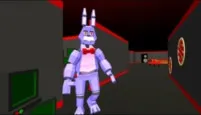
Continue with the game: FNAF Shooter: Animatronics attack!
The plot might go in several directions. The game can produce multiple linear paths based on previous decisions.
Players can change their minds after finishing a path.
This reveals dialog, facts, and endings not seen in the first playthrough.
Unease is what differentiates psychological horror.
Uncertainty
Sounds and atmosphere
Small Details
Visual novels need characters.
Development of Character
Interpersonal relationships
Visual novels often have multiple endings.
Choices Determine Ending
Decisions during gaming can affect the outcome.
This makes every option more important, especially when players don't know the repercussions.