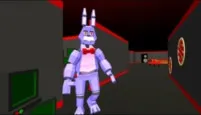
In Clone or Neighbor 3, logic and attentiveness are tested. Apartment complex security guards must identify residents and deadly clones trying to infiltrate.
The job seems simple at first, but as the game progresses, the imposters become more sophisticated, with almost perfect identification and appearances. One wrong decision can have dire consequences.
Clones have appeared in the city for unknown reasons. Human looks and identification are mimicked by them.
You're the building's last defense. Everyone at the door must be checked before entering. Observation-focused gameplay: Identify a familiar neighbor or an imposter masking their identity.
Clone or Neighbor 3's gameplay involves checking visitor information.
Early indicators are easier to recognize, but later duplicates become more flawless, pushing players to notice even slight deviations.
The reasoning mechanism is difficult: No random answers. Every decision is based on observed clues. The game requires concentration and analysis.
Each workday brings fresh documents, identification indications, and forging tactics, making the issue more challenging.
Players can quickly learn the control mechanism because all operations use the mouse to check documents, select actions, and confirm decisions.
Keep these tips in mind to reduce errors and complete missions faster:
Clone or Neighbor 3 makes identity verification psychologically difficult and stressful.
Each visitor may be a resident or a well-kept clone. The game promotes observation, thinking, and accurate decision-making, having you think carefully before opening each building door.
Continuing the horror theme, players can find fresh inspiration in the game Topsy Turvy